








How to Remember a Trip You Did Not Take Notes On
Memory & Research | September 28, 2026
Most of us do not travel with a notebook. We travel with a phone that is mostly used for maps and photos, and we tell ourselves we will remember. We do not remember. Three years later, the trip has compressed into a handful of images and a feeling, and we sit down to write, and the details are gone.
This is not a failure. It is the ordinary condition of memory, and it is workable. The trick is to stop trying to recover the trip as it was and start reconstructing it from the artifacts that survived.
Use the residue, not the record
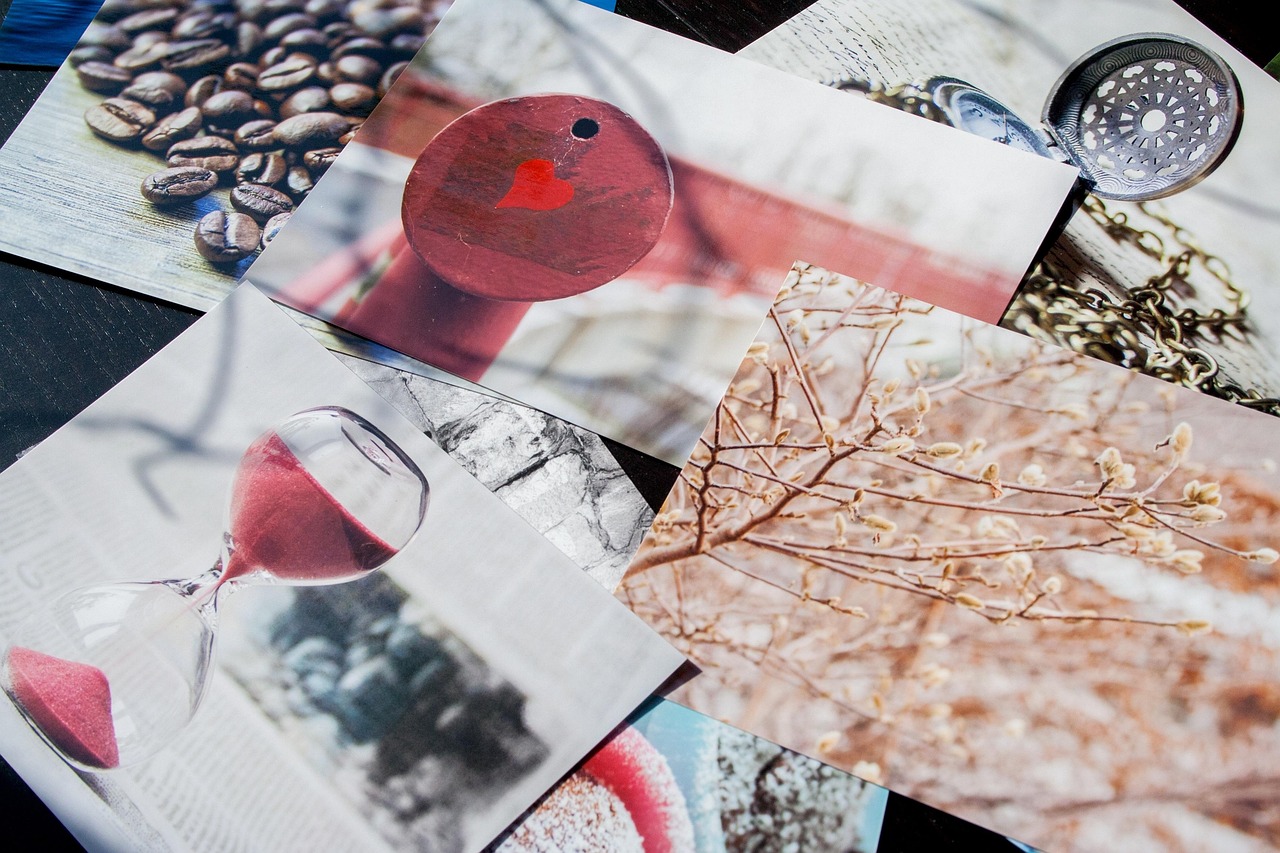
You may not have notes, but you have residue. Photos with timestamps. A receipt in a coat pocket. A playlist you made for the train ride. The one book you carried and read in three countries. A text you sent a friend that said "you will not believe what just happened." These are not the trip, but they are anchors, and each one can pull up a scene.
Start with the photos, but do not describe them. Instead, ask: what happened immediately before and after this picture? What was I worried about that day? What did it smell like? Who took the photo, and what did they say? The photo is a key. The scene is behind the door.
Then go to the messages. Not just the ones you sent, but the ones you received. The friend who asked how you were. The person back home who was annoyed you were gone. The thread where you said, half-joking, that you might not come back. Those messages often reveal what you were actually feeling, in language you would never use now.
If you kept a journal at all — even a bad one, three lines a day — read it slowly. The lines that embarrass you are usually the truest ones.
Let the gaps stay gaps
The instinct when writing from memory is to fill in what you cannot recall. Do not. Or rather, do not fill it in with invented facts that you then present as true. There is a difference between reconstructing a scene from what you do remember and fabricating a scene because a gap is inconvenient.
What you can do, and what many memoirists do well, is write around the gap. "I do not remember the name of the town. I remember the bell that rang at seven, and the woman who sold bread from a cart, and the fact that I cried in the shower for no reason I could name." The gap, acknowledged, becomes part of the texture. The reader trusts you more, not less.
You can also use research to rebuild context without pretending to remember it. If you know the region and the season, you can look up the weather, the festival calendar, the exchange rate, the price of a bus ticket. Those details are not memory, but they are accurate, and they can hold a scene up while the parts you do remember do the emotional work.
The trip you did not take notes on is still yours. It is just stored differently. Your job is not to recover it whole. Your job is to find the few scenes that still have heat in them, and to write those, and to let the rest go.
-
When the Trip Changes You: Writing Transformation Without Sounding Like a Cliché
Sep 30, 2026Place & Memory

-
When the Trip Changes You: Writing Transformation Without Sounding Like a Cliché
Sep 22, 2026Writing Life

-
The Art of the Travel Memoir Opening: How to Hook Readers in the First 300 Words
Sep 17, 2026Craft & Technique

-

-
The Draft You Don't Show Anyone: Why Private Writing Makes Public Memoir Better
Sep 20, 2026Memory & Research

-
Writing Your First Travel Memoir: Where to Begin When Every Journey Feels Too Big
Aug 31, 2026Structure & Story


Compass and Quill
Both are about a place, both are true, and they are doing entirely different jobs.